Blocked drains can develop when food, grease, hair and unsuitable waste build up or obstruct the drainage system. Slow drainage, gurgling, foul odours and water backing up are warning signs worth addressing early. Careful waste disposal, clean drain covers, hair catchers and regular maintenance can help reduce the likelihood of blockages.
What causes blocked drains?
Food, grease and other debris can become trapped in drains, causing unpleasant odours and contributing to blockages. Cooking residues need responsible disposal rather than being allowed into the drainage system. Hair is another concern, which is why using hair catchers forms part of a practical prevention routine.
What goes down the toilet also matters. Sanitary products, dental floss and wipes should go in a waste bin rather than being flushed. Persistent problems may need investigation beyond everyday waste disposal, as the age of plumbing infrastructure and local soil conditions can also present drainage challenges.
Warning signs that a drain may be blocking
A drain does not have to stop flowing completely before there is a problem. Changes in how quickly water drains, unusual noises and unpleasant smells can all indicate trouble. Recognising these signs early gives you the opportunity to address a developing blockage before it becomes more disruptive.
- Slow drainage from a sink, shower or bath, which can indicate a partial blockage.
- Gurgling noises as water drains, which usually mean air is trapped because of a forming blockage.
- Foul odours, which may come from trapped food, grease or debris, or a build-up deeper in the sewer.
- Water backing up when you flush the toilet or run taps, suggesting a blockage is restricting the system.
- Pooling water in the garden, damp patches on the ground or cracked external pipes, which can point to a serious drainage problem.
These signs need different levels of attention. A slow-draining sink may respond to a plunger or drain-safe cleaner, but water backing up needs prompt action because it could become an emergency. Pooling water, damp ground and cracked external pipes may require an inspection and drainage repairs.
Everyday habits that help prevent blockages
Start with careful waste disposal in the kitchen and bathroom. Dispose of cooking residues responsibly, put wipes, sanitary products and dental floss in a bin, and use hair catchers. These straightforward habits help reduce the likelihood of unwanted material contributing to a blockage in your drains.
Keep drain covers clean and make regular inspections part of your maintenance routine. Professional checks and drain cleaning can also help maintain the system. Prevention combines these checks with daily habits, rather than relying on a single clean or waiting until a drain is completely blocked.
When to seek professional help
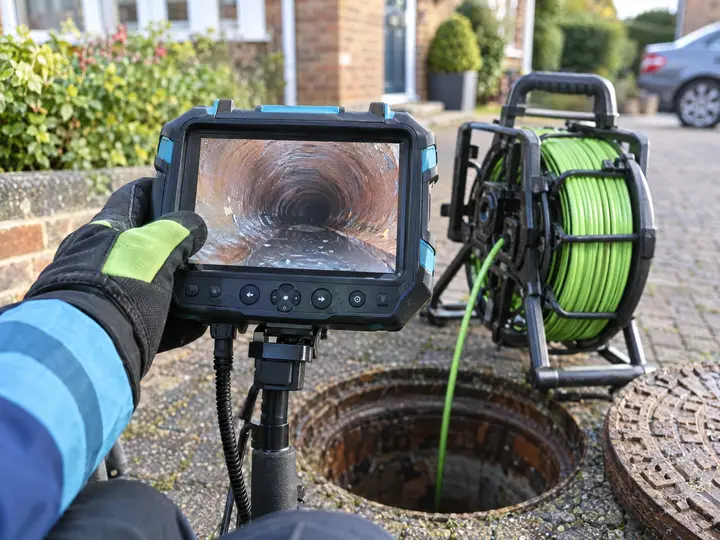
For slow drainage, a plunger or drain-safe cleaner may help. If the problem remains, or blockages keep returning, seek professional help to identify the cause. Gurgling can also warrant investigation: a CCTV drain survey can help identify the problem rather than leaving a developing blockage unresolved.
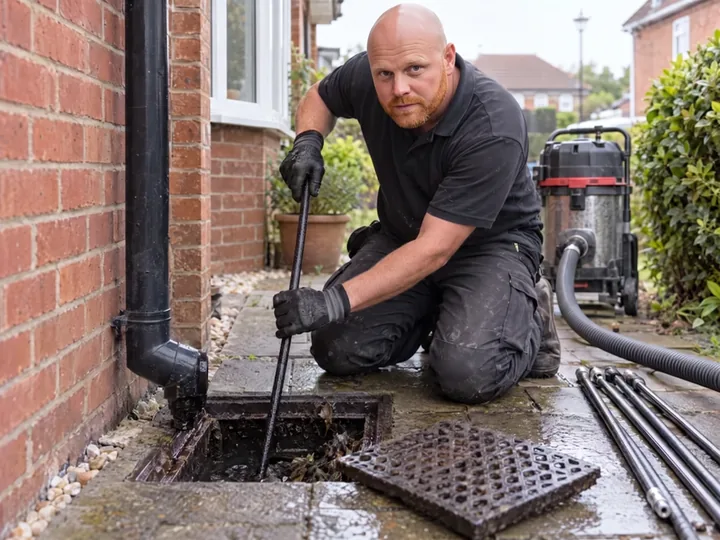
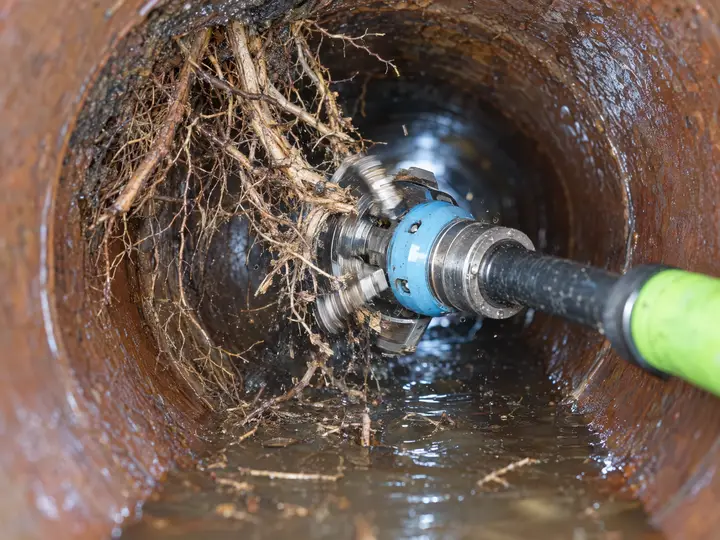
Stubborn blockages may need drain jetting, while damaged pipes or problems further along the sewer may need repairs. Excel Drainage is based in Radcliffe and provides drainage services in surrounding areas, including Bury, Bolton and Farnworth. The appropriate response depends on the problem identified during inspection.