
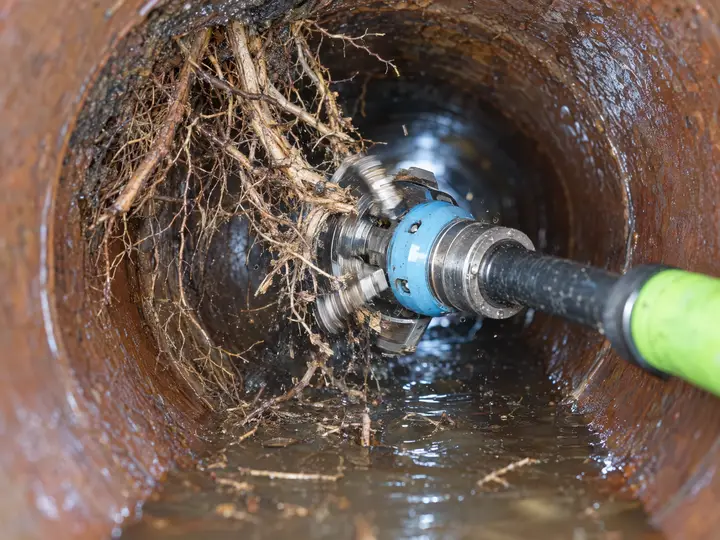
Tree roots find their way into drains through cracks and loose joints, drawn by moisture. Once inside, they grow, catch waste and cause repeated blockages, and can eventually break the pipe. The fix is to confirm the problem with a CCTV survey, cut the roots out mechanically, then seal the pipe, usually with no-dig relining.
Why roots are a problem in Ramsbottom, Tottington and Edgworth
Ramsbottom, Tottington and Edgworth sit on the edge of the West Pennine Moors, with plenty of mature trees, hedges and established gardens, and a lot of older stone and brick houses. That is a lovely place to live, but it is also the kind of setting where tree roots and older drains often meet.
Roots do not usually break into a healthy, sealed pipe. They find a small gap, often a hairline crack or a slightly open joint in an older clay drain, and follow the moisture and nutrients inside.
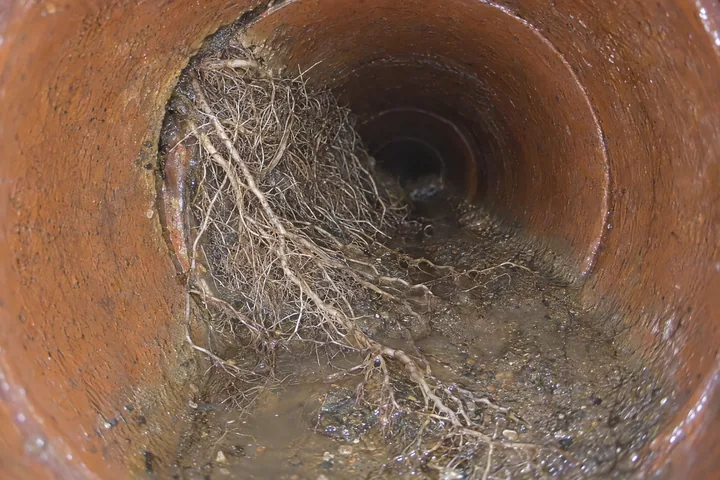
How tree roots get into drains
1. A small gap appears. Ground movement, age or a heavy load from above opens a joint or cracks the pipe.
2. Fine roots find the moisture. Roots grow towards water vapour escaping from the gap.
3. They grow inside. Once inside the pipe, roots spread into a mat that catches toilet paper, wipes and grease.
4. Blockages start. The pipe narrows, flow slows and blockages become more frequent.
5. The pipe can break. As roots thicken, they can widen cracks, displace joints and in time contribute to a collapse.
Warning signs of roots in your drain
- Blockages that keep coming back, especially in the same place
- Slow drains throughout the house rather than at one fitting
- Gurgling from plugholes or toilets
- Bad smells from gullies or the garden
- Damp or sunken patches on a lawn or path above the drain
- A large tree or hedge close to the drain run, particularly thirsty species such as willow and poplar
If you are seeing more than one of these, it is worth having the drain looked at rather than clearing the same blockage again and again.
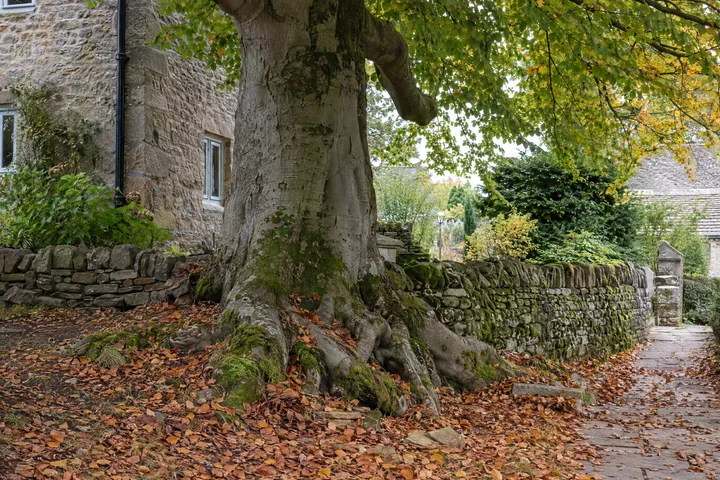
How tree roots are removed
Step 1: CCTV survey
A CCTV drain survey shows exactly where the roots are, how much of the pipe they fill and whether the pipe itself is damaged. This decides the right fix.
Step 2: Mechanical root cutting
Roots are cut out from inside the pipe using specialist cutting heads, and the drain is then flushed with high-pressure jet cleaning. This restores flow. See our tree root removal service.
Step 3: Seal the pipe
Cutting roots alone is a short-term fix, because the gap is still there and roots will regrow. Sealing the pipe stops them returning. The usual options are:
- No-dig relining, which fits a joint-free liner inside the pipe. Read our comparison of relining vs excavation.
- Patch repairs for a single damaged joint.
- Excavation and replacement if the pipe has collapsed. See drain excavation and groundworks.
Step 4: Check it worked
A final camera run confirms the roots are gone and the repair is sound.
Should I use root killer?
Chemical root killers are sold for drains, but they do not remove the root mass already blocking the pipe, they do not fix the crack the roots came through, and some chemicals can harm the environment. Mechanical cutting followed by a proper repair deals with the cause. If you do consider a product, read the label carefully and never mix drain chemicals.
Do I need to cut the tree down?
Usually not. Once the drain is sealed, roots have no way in. Removing a mature tree can also affect the ground around it, and you may need permission if the tree is protected by a tree preservation order or sits in a conservation area. Check with Bury Council (or Blackburn with Darwen Council for Edgworth) before felling or heavily pruning a tree.
What if the roots are from a neighbour's tree?
Roots do not respect boundaries. If roots from a neighbour's tree have damaged your drain, talk to your neighbour and your home insurer. CCTV footage and a written report are useful if you need to make a claim. If the damaged pipe is a shared sewer, it is normally the responsibility of United Utilities. See who is responsible for a blocked drain.
Preventing root problems
- Plant thoughtfully. Keep new trees and large shrubs away from drain runs.
- Know where your drains run. A survey can map them before you plan landscaping.
- Act on early signs. A small root intrusion is much simpler to deal with than a broken pipe.
- Think before buying. If you are buying a home near big trees, a survey is a sensible check. See our guide on drain surveys when buying a house.
Tree root removal in Ramsbottom, Tottington and Edgworth
Excel Drainage covers Ramsbottom, Tottington, Edgworth and the surrounding villages from our base in Radcliffe. We will survey the drain, cut the roots out and explain the options for keeping them out.